

The Agave Compass
Exploring Mexico, One Sip at a Time
Issue #7: Bacanora—Spirit of Sonora’s Desert
Opening Pour
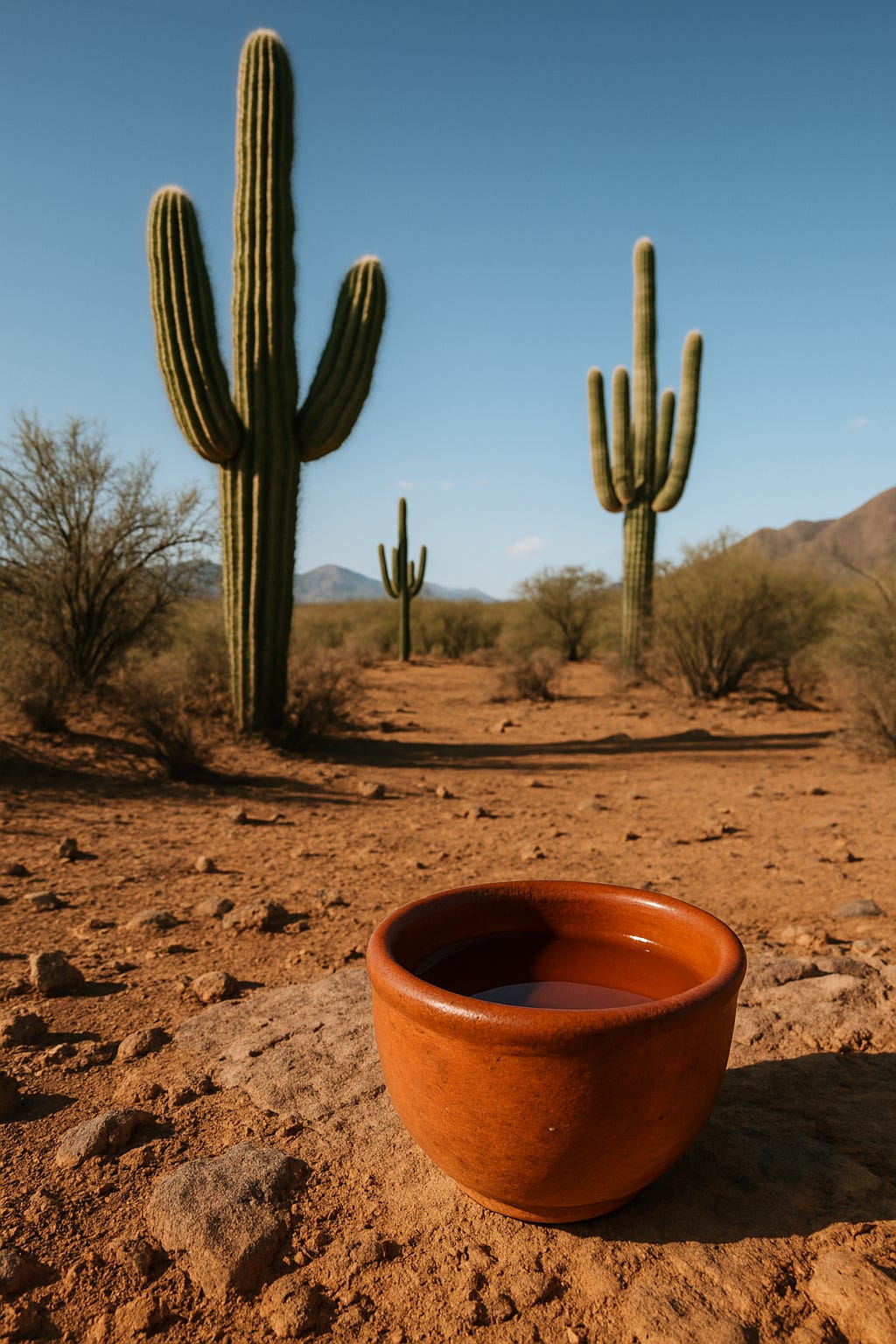
The Sonoran Desert stretches wide and relentlessly, a landscape of saguaro cacti, spiny ocotillo, and dry earth that glitters with heat. The air is sharp with dust and sage, and under the punishing sun, shade is a rare gift. But in the small mountain towns of eastern Sonora, there’s another kind of refuge—a clay cup of bacanora.
My first sip came not in a bar but at a fiesta in a dusty plaza. A neighbor offered me a small glass filled with a clear, fiery liquid and a grin that conveyed, You are about to encounter the essence of the desert.
Sip of the Week: Bacanora, Spirit of the Desert
Spirit: Bacanora, made from agave Pacifico (a variety of Agave angustifolia) in Sonora
ABV: Typically 42–48%
Tasting Notes:
Nose: Dry herbs, desert wildflowers, a whisper of smoke
Palate: Bold and rustic—roasted agave, mesquite, sage, and dried chili
Finish: Warm, lingering, with a mineral edge like desert stone
It’s not polished or delicate like some mezcals; it’s rugged, forthright, and honest—a spirit that tastes like the land it comes from.
Cultural Pairing: The Underground Fiesta Spirit
For most of the 20th century, bacanora was contraband. The Mexican government banned its production and sale from 1915 until 1992, imposing fines and jail time as penalties. But in the mountain villages of Sonora, people kept distilling anyway. Hidden stills fired by mesquite wood churned out small batches that flowed at weddings, baptisms, and fiestas.
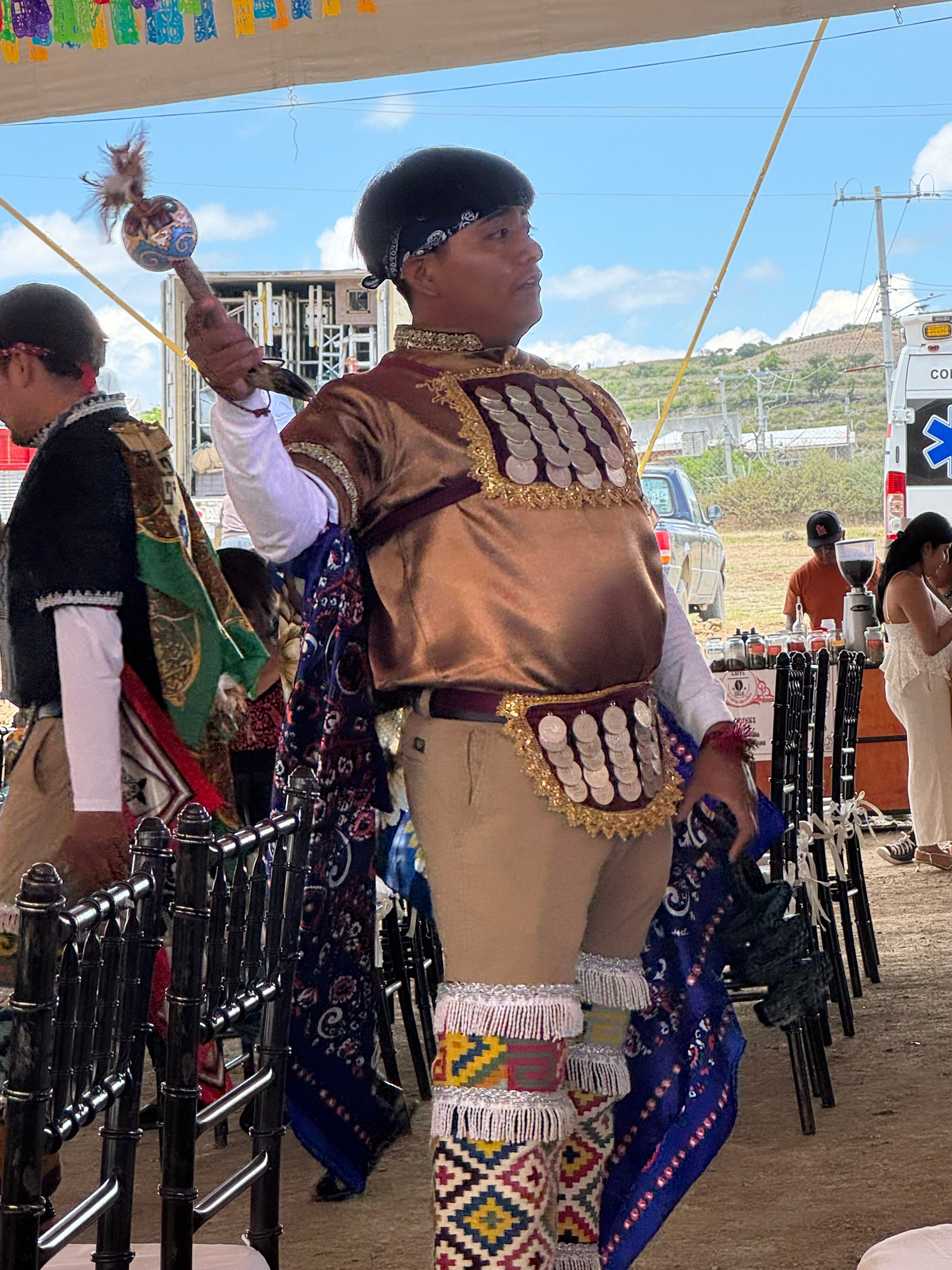
I remember sitting at a fiesta in the Sierra foothills, the kind that turns an ordinary plaza into a sea of laughter and guitars. A woman in her seventies handed me a clay cup of bacanora with a mischievous smile. “When I was young, we had to drink the beverage in secret,” she told me. She spoke of fiestas where neighbors would watch the road, ready to warn if the authorities came. The music never stopped, though—if anything, it got louder, a shield against fear.
Her story gave the glass in my hand new weight. Bacanora wasn’t just a spirit—it was an act of resistance. Every sip carried the memory of people who risked punishment rather than let go of their traditions.
When the ban was finally lifted in 1992, there was no need to resurrect bacanora—it had never died. Today, it holds Denomination of Origin status, but for many Sonorans, it will always taste best at a backyard fiesta, poured from an unmarked jug and shared in a circle of friends.
🌟 Fun Fact: Banned for 77 Years—A Longer Prohibition than the U.S.
Why was bacanora outlawed? In 1915, the governor of Sonora, Plutarco Elías Calles (who later became president of Mexico), declared war on local distillers. He saw homemade spirits as backward, unregulated, and a threat to modernization. Officially, it was about control and taxation; unofficially, it was about consolidating power.
The punishment was severe: fines, destruction of stills, and even imprisonment. Local legend claims some producers were forced to smash their copper stills under government orders. Yet in the Sierra Madre and the rugged desert valleys, people adapted. They hid their remains in caves, roasted agave under camouflage, and used mule paths to transport their contraband.
For comparison: U.S. Prohibition lasted 13 years (1920–1933). Bacanora’s prohibition lasted 77 years. That makes it one of the most extended alcohol bans in modern history—and one of the most successfully defied.
When legalization finally came in 1992, it was less about permission and more about recognition of what had already endured. Bacanora hadn’t just survived the ban; it had become a badge of Sonoran identity—fiery, proud, and impossible to erase.
Agave Trail Tip
If you’re traveling through Sonora, head to the Sierra foothills around Bacanora town (yes, the drink’s namesake) or Álamos. Many small producers open their doors to visitors for a taste of their desert-born spirit, often alongside carne asada and music. Don’t expect polished tours—expect hospitality, stories, and a glass that burns and comforts in equal measure.
Closing Toast
Por la resistencia del desierto—for the resilience of the desert. 🌵🥂